Water damage and mold problems are often connected. When moisture remains inside a property after a leak, flood, roof issue, appliance overflow, or storm related water intrusion, mold can begin developing in hidden areas. Mold does not always appear immediately on the surface, but damp conditions inside walls, flooring, insulation, and structural materials can create an environment where mold growth becomes a serious concern.
For homeowners and businesses in Spring Lake, MI, fast drying and moisture control are important after any water damage event. Addressing the source of the moisture and drying affected materials properly can help reduce the risk of mold spreading throughout the property.
Why Mold Develops After Water Damage
Mold needs moisture, a food source, and the right conditions to grow. Building materials such as drywall, wood, insulation, cardboard, ceiling tiles, and flooring can provide surfaces where mold may develop if moisture remains. After water damage, these materials may stay damp even after visible water is gone.
This is why surface drying can be misleading. A wall or floor may feel dry to the touch while moisture remains trapped underneath or behind it. Without professional drying and monitoring, damp materials can continue supporting mold growth and long term property damage.
Common Places Mold Can Hide
Mold often develops in areas where moisture is trapped or air movement is limited. After water damage, it may be found behind drywall, under flooring, inside cabinets, around baseboards, in insulation, near windows, inside ceiling cavities, or around areas affected by plumbing leaks. Basements, crawl spaces, utility rooms, bathrooms, kitchens, and laundry areas can also be vulnerable when moisture is not controlled.
If a property has a musty odor, staining, discoloration, bubbling paint, warped flooring, or recurring dampness, there may be hidden moisture or mold activity that should be inspected.
Why Fast Drying Matters
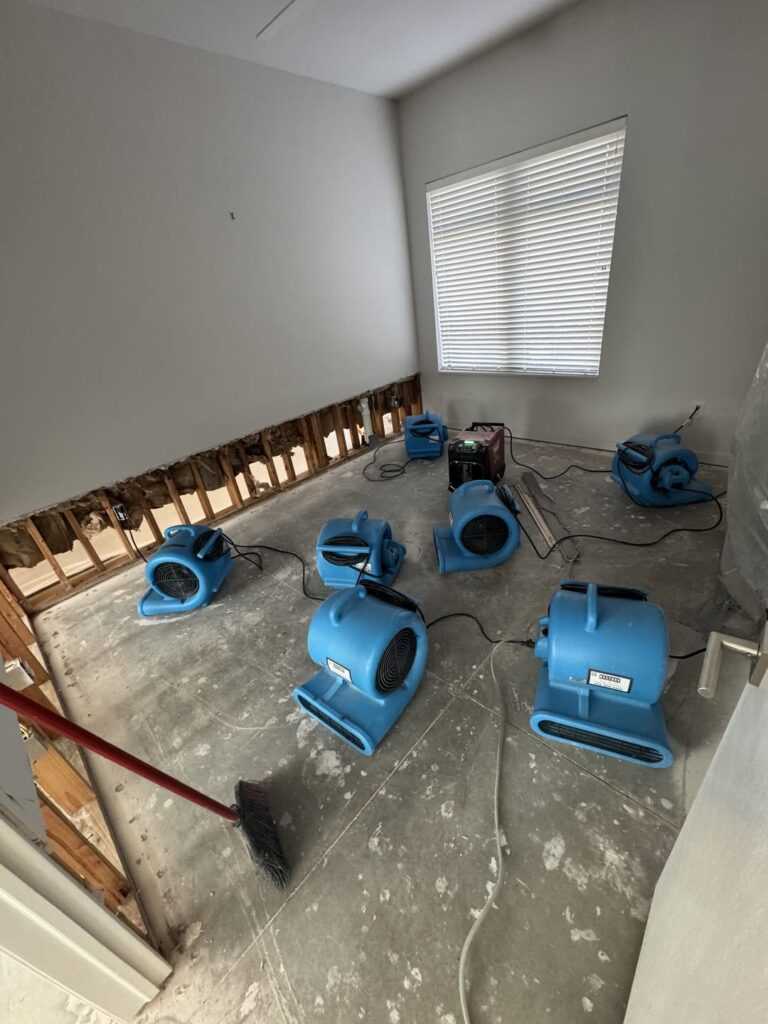
Fast drying helps reduce the amount of time building materials remain wet. After water damage occurs, moisture can spread through porous materials and move into areas that are difficult to see. Professional drying equipment such as air movers and dehumidifiers helps remove moisture from the affected space and materials more effectively than household fans.
Moisture monitoring is also an important part of the process. Restoration professionals can track drying progress and confirm whether affected materials are returning to safer moisture levels. This helps prevent the mistake of ending the drying process too early.
Water Damage Restoration Helps Prevent Bigger Problems
Water damage restoration is designed to remove water, dry affected materials, and stabilize the property before more serious issues develop. If moisture is left untreated, it can lead to mold growth, odors, material deterioration, staining, and structural concerns. Proper drying and cleanup can help protect the property and improve indoor conditions.
ServiceMaster Lakeshore provides water damage restoration and mold remediation services in Spring Lake, MI and surrounding areas. Our team can inspect affected areas, identify moisture concerns, contain impacted spaces when needed, remove contaminated materials when necessary, and help restore safer indoor conditions.
When to Call for Mold Remediation
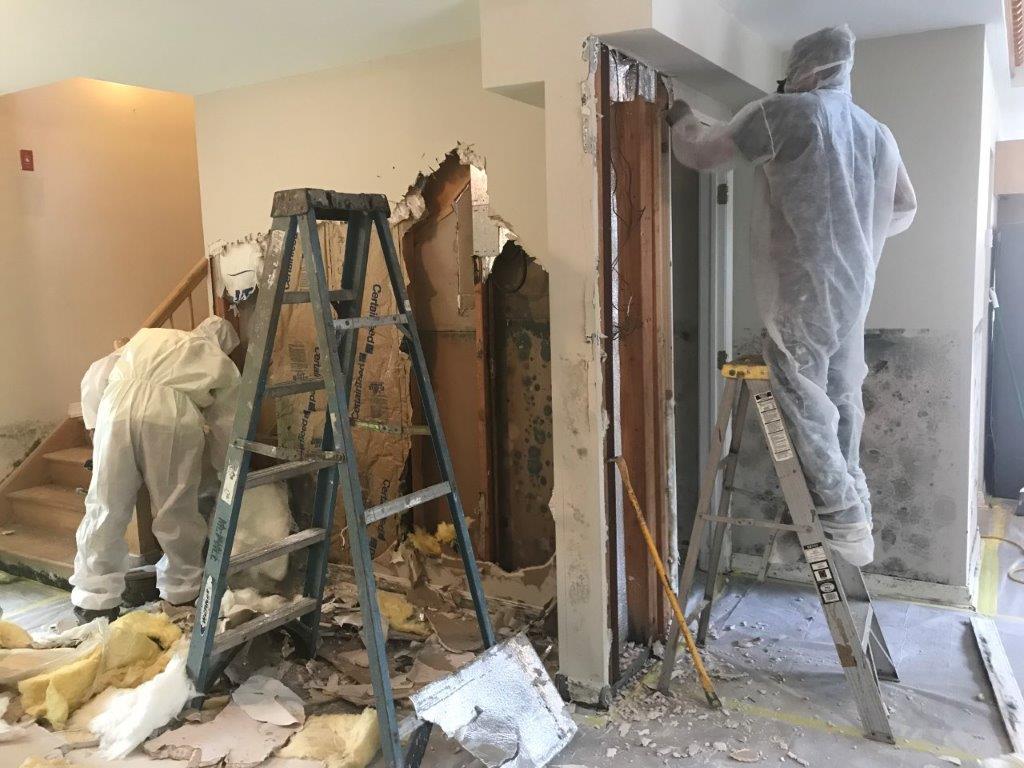
You should consider professional mold remediation if you notice visible mold growth, strong musty odors, moisture stains, damp materials, or if water damage was not properly dried. Mold problems can spread when disturbed, so it is important to avoid tearing out contaminated materials without proper containment and cleanup procedures.
A professional remediation process may include identifying moisture sources, setting containment, removing affected materials when needed, cleaning impacted areas, and helping address the conditions that allowed mold to develop. The goal is not only to remove visible mold, but also to help prevent the issue from returning by addressing the moisture source.
Protecting Your Property After Water Damage
The best way to reduce mold risk after water damage is to act quickly. Stop the water source if possible, avoid entering unsafe areas, document the damage, and call a restoration company for water removal, drying, and moisture monitoring. Waiting too long can allow moisture to spread and make the restoration process more complicated.
If your Spring Lake, MI property has recently experienced water damage or you are noticing signs of mold, ServiceMaster Lakeshore can help with professional restoration and remediation services.
Concerned about mold after water damage? Call ServiceMaster Lakeshore at (616) 303-3061 for help in Spring Lake, MI and surrounding areas.